 SEO
SEO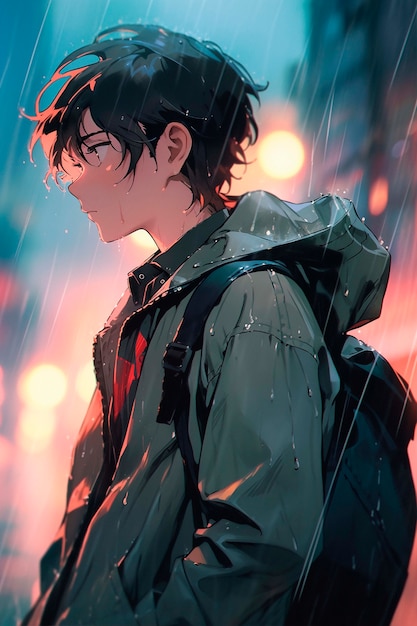
Anime, a form of Japanese animation, has become a global cultural phenomenon, captivating audiences with its diverse storytelling, intricate art, and profound themes. Unlike typical Western animation, which is often aimed at children, anime spans a wide range of genres and appeals to all age groups. From action-packed adventures and romantic dramas to psychological thrillers and science fiction epics, anime offers something for everyone, making it a versatile and influential medium.
One of the most distinguishing features of anime is its unique art style sex ai. Characters are often depicted with large, expressive eyes, vibrant hair colors, and exaggerated facial expressions. These artistic choices allow for a heightened emotional connection between the characters and the audience, as subtle shifts in expression can convey complex emotions. The backgrounds in anime are often meticulously detailed, with settings that range from the fantastical to the hyper-realistic. This attention to visual detail creates an immersive experience, drawing viewers into the world of the story and enhancing the overall narrative impact.
Anime storytelling is known for its depth and complexity. Unlike many other forms of animation, anime frequently explores mature themes and philosophical questions. It’s not uncommon for anime to tackle subjects such as existentialism, the nature of good and evil, the consequences of war, and the complexities of human relationships. Series like “Attack on Titan” explore the dark side of humanity and the struggle for freedom, while “Your Lie in April” delves into themes of loss, love, and the healing power of music. These narratives often challenge viewers to think critically and reflect on their own lives, making anime a thought-provoking medium.
Character development is another hallmark of anime. Characters in anime are often multi-dimensional, with complex personalities and backstories. Over the course of a series, these characters undergo significant growth and transformation, making them relatable and engaging. For example, in “One Piece, ” the protagonist, Luffy, grows from a naive and carefree boy into a determined and mature leader, driven by his unwavering commitment to his friends and his quest to become the Pirate King. This focus on character growth allows viewers to form deep emotional connections with the characters, investing them more fully in the story.
The global impact of anime is undeniable. What began as a niche interest in the West has blossomed into a mainstream cultural force. Anime influences not only entertainment but also fashion, music, and art. The rise of streaming platforms like Netflix, Crunchyroll, and Funimation has made anime more accessible than ever, allowing fans from around the world to discover and enjoy a wide variety of series and films. Conventions dedicated to anime, such as Anime Expo and Otakon, attract thousands of fans annually, celebrating their shared passion for this unique form of storytelling.
The cultural significance of anime continues to grow, with its influence extending beyond Japan to touch the lives of people worldwide. As more people discover the rich narratives, unique art styles, and complex characters that define anime, its popularity is likely to continue rising. Anime has proven itself to be a powerful and enduring art form, one that resonates deeply with audiences and continues to evolve and innovate. The future of anime is bright, promising new stories, characters, and worlds that will captivate and inspire generations to come.