 John
JohnIntroduction — a shadowed question
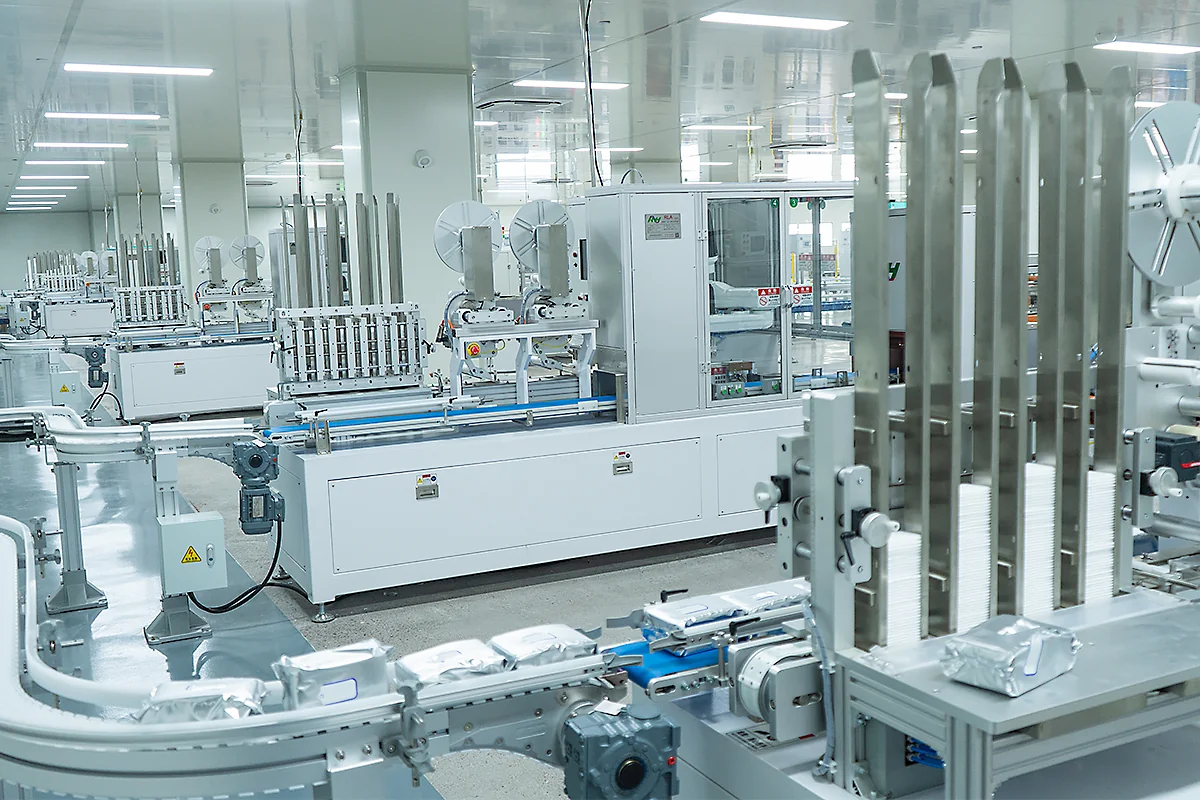
I watch factories at dusk and I feel the weight of machines like old giants. There’s a chill when lines slow; output drops and costs creep up. The core image: a long, humming wholesale wet wipe production line, belts and sensors lit like moonlit teeth. Recent data shows many mid-size plants stall at 60–70% of target throughput (you know the signs: waits at changeover, awkward rejects). Why do simple runs become so fragile under scale—what are we missing? (I ask this because I’ve seen the same fault in three different plants.)
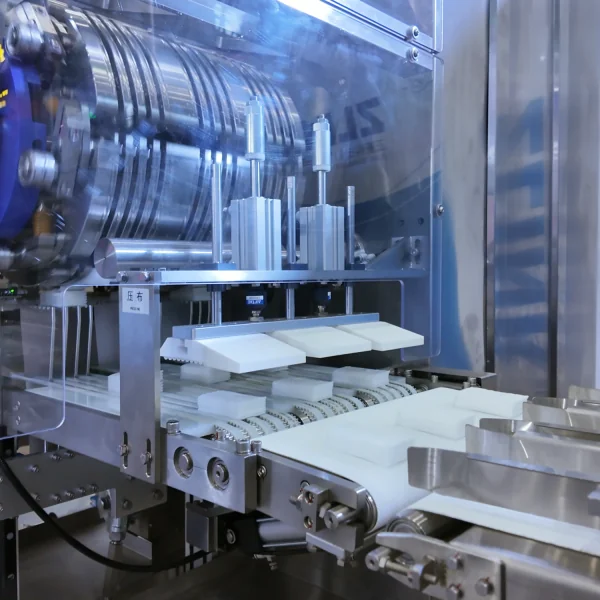
There’s grit here: torn webs, stalled tension control, PLC hiccups. I’ll be blunt. The machines are fine; the systems around them are not. We’ll move from shadow to light and dig into the parts that actually cause headaches. Next, I’ll point to the flaws that hide in the routine and the quick fixes that rarely last.
Why traditional wet wipe packaging systems falter
wet wipe packaging often ships with a lot of assumptions baked in: fixed changeover times, steady material quality, and operators who never miss a beat. I’ve worked on lines where every one of those assumptions broke in a single shift. The direct result is scrap, rework, and lost hours. Look, it’s simpler than you think — the usual culprits are mismatched lamination settings, weak tension control, and rotary die misalignment. These are not exotic faults. They are basic process-control problems masked by complexity.
What’s failing here?
First, manual changeovers. Operators attempt quick swaps without proper setup sheets. Second, inconsistent web tension. That tears the substrate or causes bad seals. Third, outdated HMI logic on the PLC that ignores real-time feedback. I’ve seen power converters deliver unstable voltages that jitter servo motors and ruin delicate bonding. Those small failures cascade into big losses. If you want to fix throughput, start by fixing these basics. I prefer to test in steps: validate servo response, then check tension across speeds, then re-run packaging trials. It’s methodical. It works. — funny how that works, right?
New technology principles for a smarter line
Now, imagine applying simple modern rules to wet wipe packaging. Don’t think of technology as magic. Think of it as a set of predictable tools. I recommend three principles: sensor-driven feedback, modular controls, and predictive maintenance. Sensor-driven feedback uses vision inspection and tension sensors to flag faults before they cost a reel. Modular controls isolate subsystems so a fault in a laminator doesn’t stall the whole line. Predictive maintenance watches patterns (vibration, current draw) and warns you before a bearing or belt fails.
What’s next — practical steps
Start small. Add a camera at the sealing station. Calibrate tension control with a live-feedback loop. Introduce a local edge computing node to preprocess signals before they reach the PLC — this reduces false trips and keeps uptime higher. You’ll notice fewer stops, fewer false rejects, and cleaner seals. I’ve piloted these steps; the gains are quietly huge. Short runs become reliable, long runs become predictable.
To choose the right upgrades, use three evaluation metrics I recommend: 1) Mean Time Between Stoppages (MTBS) — how often the line halts; 2) Changeover Time Reduction — minutes saved per SKU change; 3) Yield at Speed — percent good units at target throughput. Measure these before and after any change. That will tell you what truly worked. In closing, take the slow, steady fixes first, then scale. We’ve done this with partners and it paid off. For practical systems and machinery, I’ve found ZLINK to be a solid reference for real-world production solutions.