 SEO
SEO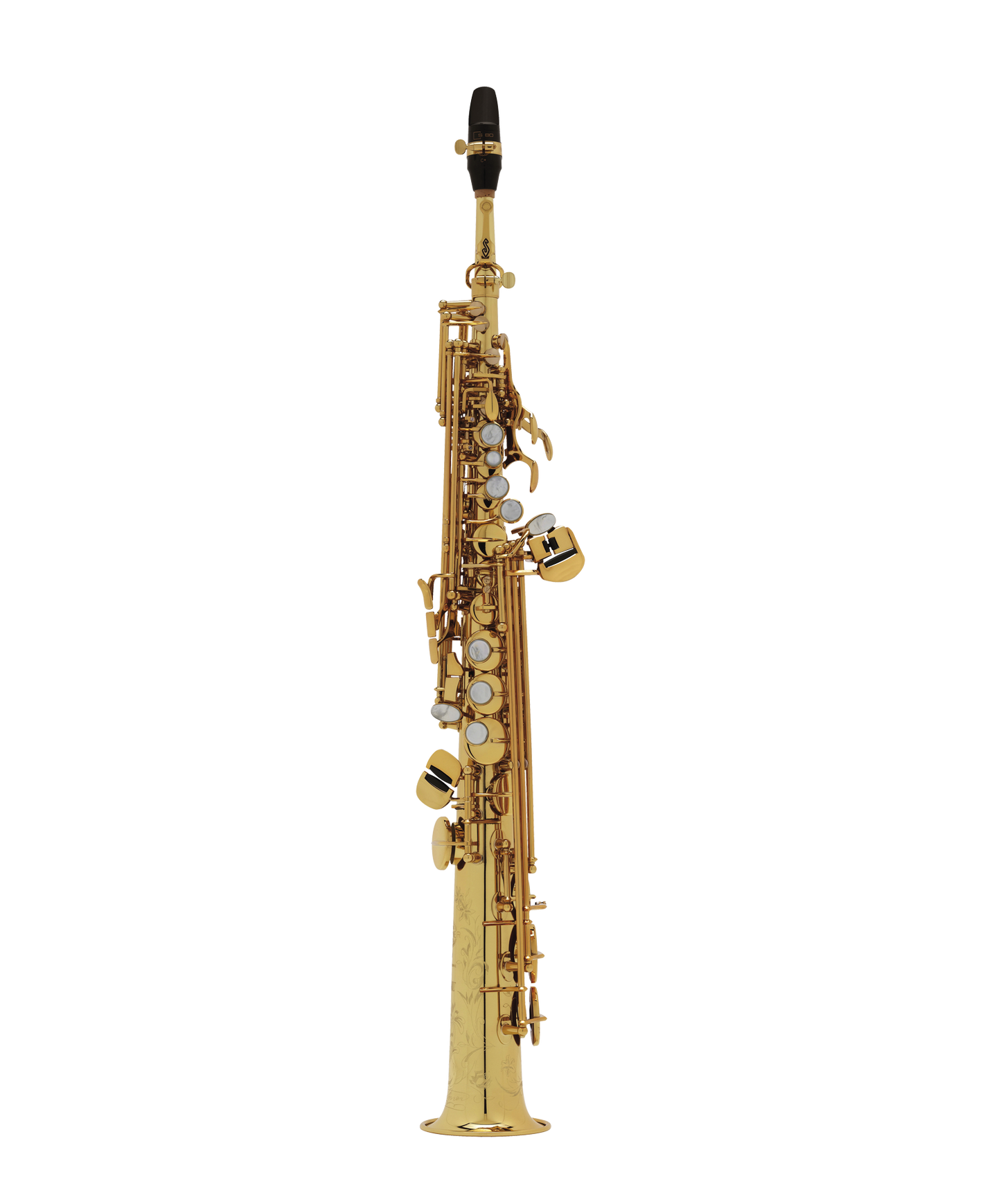
The soprano saxophone, a unique member of the woodwind family, has carved out an essential niche in the world of music. Characterized by its bright, piercing sound and agile capabilities, this instrument has garnered the admiration of musicians across a multitude of genres, especially jazz and classical music. Pitched in B-flat, the soprano saxophone is the highest of the saxophone family, which also includes the alto, tenor, and baritone saxophones. Its design and tonal qualities contribute to its versatility and appeal.
The history of the soprano saxophone dates back to the 1840s soprano saxophone when it was invented by Adolphe Sax, a Belgian musician and instrument maker. Sax sought to create an instrument that could bridge the gap between brass and woodwinds, offering the best qualities of both. The result was the saxophone family, which includes a range of instruments designed to fulfill various roles in musical ensembles. The soprano saxophone was specifically intended to provide a higher register voice, allowing for bright melodic lines and intricate harmonies.
Typically constructed from brass, the soprano saxophone is often plated with materials such as gold or silver, which not only enhance its aesthetic appeal but also affect its sound quality. The instrument consists of several components, including the mouthpiece, neck, body, and bell. The mouthpiece is a critical element for sound production, featuring a single reed made from cane or synthetic materials. When air is blown over the reed, it vibrates, producing sound waves that resonate within the instrument’s body. The quality of the reed and the player’s embouchure—the manner in which they shape their lips around the mouthpiece—greatly influence the instrument’s tone and pitch.
One of the defining characteristics of the soprano saxophone is its extensive range, typically spanning about two and a half octaves. It generally starts from concert B-flat and extends to concert D in the upper register. This wide range allows for a multitude of musical expressions, making the soprano saxophone suitable for both lyrical melodies and rapid passages. Its agility enables players to execute complex runs and intricate improvisations, which are particularly valued in jazz music, where spontaneity and creativity are paramount.
The soprano saxophone’s sound is distinguished by its bright and clear tone, which can cut through dense textures in both small and large ensembles. This quality makes it especially effective for solo performances, where the instrument can showcase its full expressive potential. The instrument’s sound can be described as warm and full-bodied, retaining a clarity that allows individual notes to stand out. Musicians often explore various techniques, such as vibrato and altissimo (producing notes above the standard range), to enhance their performances and convey a wide array of emotions.
In the realm of jazz, the soprano saxophone has played a pivotal role, embraced by many legendary musicians who have shaped its legacy. Iconic figures such as John Coltrane, Sidney Bechet, and Wayne Shorter have all made significant contributions to the instrument’s prominence. Coltrane, in particular, is known for his innovative use of the soprano saxophone, featuring it prominently in albums like “A Love Supreme. ” His approach to improvisation and harmonic exploration set new standards for the instrument, inspiring countless musicians. Likewise, Sidney Bechet, regarded as one of the first great jazz soloists, demonstrated the soprano saxophone’s expressive capabilities through his virtuosic technique and emotional performances.
The soprano saxophone has also found its place in classical music, where composers such as Claude Debussy and Paul Hindemith have recognized its unique timbre. The instrument’s ability to blend seamlessly with other woodwinds and strings makes it a valuable addition to orchestral and chamber music settings. As contemporary composers continue to write for the soprano saxophone, new repertoire is being developed, further expanding its role in classical music.
In popular music, the soprano saxophone has made a significant impact as well. Artists like Kenny G have introduced the instrument to mainstream audiences, showcasing its melodic capabilities and smooth sound. The smooth jazz genre, in particular, has contributed to the soprano saxophone’s popularity, allowing it to resonate with listeners who appreciate its lyrical lines and rich tones. This crossover appeal has brought the soprano saxophone into new contexts, inspiring a fresh generation of musicians to explore its possibilities.
Learning to play the soprano saxophone involves dedication and practice. Aspiring musicians should focus on developing their tone, technique, and musical interpretation through consistent practice. Engaging with a diverse repertoire—from classical etudes to jazz standards—enables players to explore different styles and develop their unique voice on the instrument. Joining ensembles and participating in masterclasses can further enhance a player’s skills and foster a sense of community among musicians.
In conclusion, the soprano saxophone is a remarkable instrument with a rich history and diverse applications across various musical genres. Its bright sound, expressive capabilities, and versatility have made it a favorite among musicians in jazz, classical, and popular music. As the instrument continues to evolve and adapt to new styles, the soprano saxophone will undoubtedly remain an essential part of the musical landscape, captivating audiences and inspiring future generations of players. Whether in the hands of a jazz improviser or a classical performer, the soprano saxophone offers a unique voice that resonates deeply within the world of music. Its enduring appeal ensures that it will continue to be a cherished instrument for musicians and listeners alike for many years to come.